How to Roast Garlic in the Oven: Whole Heads or Cloves
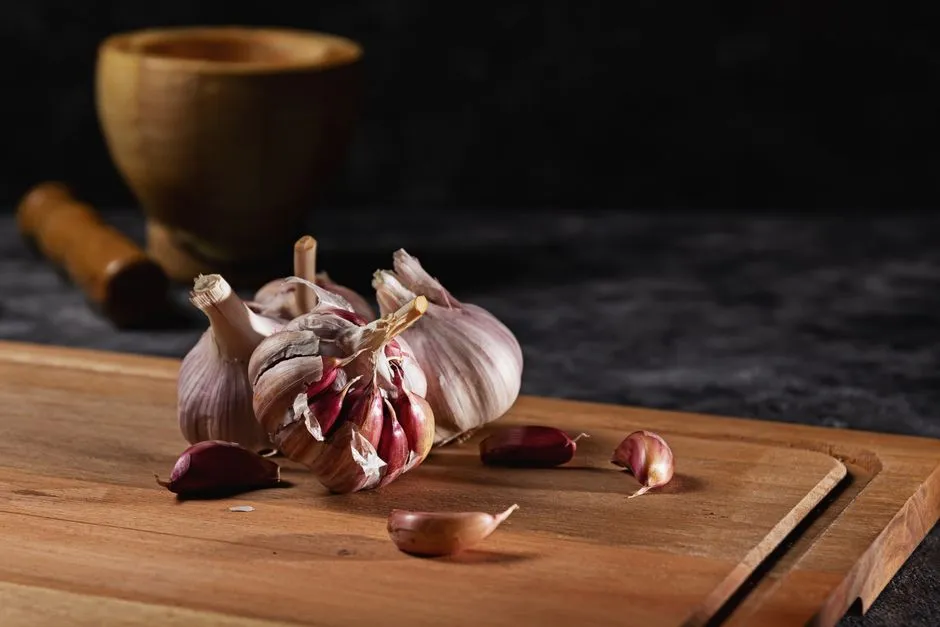
How to Roast Garlic: The Short Answer
To roast garlic, slice the top quarter inch off a whole head to expose the cloves, drizzle the cut surface with olive oil, wrap the head in foil (or set it cut-side down in a small covered baking dish), and bake at 400°F (about 205°C) for 40 to 60 minutes. The garlic is done when the cloves are deeply golden and soft enough to squeeze out like paste. That's the entire method — everything below is about doing it well, doing it without foil, and doing it faster with peeled cloves.
Roasting transforms garlic more than any other technique. Raw garlic is sharp and pungent because crushing its cells triggers the compound allicin; long, gentle heat never lets that sharpness develop and instead caramelizes the clove's natural sugars. The result is sweet, nutty, and mellow enough to spread on bread by itself.
Roasting Whole Heads: Step by Step
Whole heads are the classic method — minimal prep, maximum payoff. Here's the process in full.
1. Pick good heads
Choose firm, heavy bulbs with tight skins and no green sprouts or soft spots. Any variety roasts well, though hardneck types with their large, uniform cloves are especially easy to squeeze out later. If you grow your own, well-cured bulbs roast better than fresh-dug ones — a bulb that has been properly cured and stored has concentrated flavor and papery skins that release the cloves cleanly.
2. Trim the top
Leave the head whole and unpeeled — just rub off the loosest outer paper. Slice about 1/4 inch off the pointed top of the head so the tip of every clove is exposed. If a few cloves sit low and escape the knife, trim them individually.
3. Oil and wrap
Set the head cut-side up on a square of foil. Drizzle 1 to 2 teaspoons of olive oil over the exposed cloves and let it seep in for a moment. Sprinkle with a pinch of salt if you like. Bring the foil up around the head and crimp it closed — snug, not airtight.
4. Roast at 400°F
Place the wrapped head directly on the oven rack or on a small baking sheet. Roast at 400°F for 40 to 60 minutes. Smaller heads finish closer to 40 minutes; large, dense heads can take the full hour.
5. Check for doneness
Open the foil carefully (steam escapes) and press a center clove with a knife tip. Done roasted garlic is golden brown, completely soft, and yields with no resistance. Pale and slightly firm means it needs another 10 to 15 minutes. Let the head cool for 10 minutes, then squeeze from the root end — the cloves slide out like soft caramel.
How Long to Roast Garlic: Time and Temperature
There is no single magic number — time depends on temperature, head size, and whether the cloves are peeled. This table covers the useful range:
| Method | Temperature | Time | Notes |
|---|---|---|---|
| Whole head, wrapped | 400°F | 40–60 min | The standard; deeply caramelized |
| Whole head, wrapped | 350°F | 60–75 min | Gentler; good when sharing the oven |
| Peeled cloves in covered dish | 375°F | 25–35 min | Fastest oven method |
| Peeled cloves in oil, stovetop | Low heat | 20–30 min | Garlic confit; cloves stay submerged |
Two rules of thumb hold at any temperature. First, lower and slower gives sweeter, more even results; higher heat browns the tips before the centers soften. Second, judge by texture and color, not the clock — ovens vary, and a squeeze test never lies.
How to Roast Garlic Without Foil
You don't need foil to roast garlic — you need trapped moisture so the cloves steam soft before the exposed tops dry out. Two reliable foil-free methods:
- Covered baking dish. Place trimmed whole heads cut-side up in a small oven-safe dish with a lid (a lidded ramekin, a small Dutch oven, or a garlic roaster). Drizzle with oil, add a teaspoon of water to the dish, cover, and roast at 400°F for 40 to 60 minutes. This is the closest substitute for the foil packet.
- Peeled cloves in a covered dish. Separate and peel the cloves, toss them with enough olive oil to coat generously, and roast covered at 375°F for 25 to 35 minutes, stirring once. Cloves are done when golden and fork-tender. This skips the squeezing step entirely — you end up with whole, spoonable roasted cloves.
Uncovered roasting on a bare sheet pan is the one approach to avoid for whole heads: the exposed cloves dry and toughen before the interior softens. If you want browned, crisp-edged garlic, roast peeled cloves covered until soft, then uncover for the last 5 to 10 minutes.
What to Do With Roasted Garlic
A whole roasted head yields roughly a heaping tablespoon of paste, and it disappears fast. Favorite uses:
- Spread it straight. On toasted bread with flaky salt, it needs nothing else.
- Mash into potatoes. One head per pound of potatoes is a good starting ratio.
- Whisk into dressings and mayo. Roasted garlic gives Caesar-style dressings and aioli-style mayo depth without raw bite.
- Stir into soups and sauces. Add the paste to tomato sauce, blended vegetable soups, or pan sauces at the end of cooking.
- Blend into butter or hummus. Roasted garlic butter keeps in the refrigerator and upgrades everything from steak to steamed vegetables.
- Top pizza and flatbread. Whole soft cloves scattered before baking turn jammy and sweet.
Because roasting mellows garlic so much, you can use two or three times the amount you'd use raw. If a dish tastes flat, roasted garlic plus a squeeze of lemon is a dependable fix.
Storing Roasted Garlic Safely
Roasted garlic keeps, but on a short clock — and there is one genuine food-safety rule to respect.
- Refrigerator: Store squeezed-out paste or whole roasted cloves in an airtight container for up to about 4 days.
- Freezer: Freeze paste in small portions — an ice cube tray works well — then transfer the frozen cubes to a bag. Use within a few months for best flavor; frozen paste goes straight into hot dishes.
- In oil — refrigerate, always. Garlic stored in oil at room temperature can support the growth of Clostridium botulinum, the bacterium that causes botulism. The oil creates the low-oxygen environment the bacteria need, and roasting does not remove the risk. Following FDA and USDA guidance, keep any homemade garlic-in-oil (including confit) refrigerated and use it within a few days. Never leave it on the counter, no matter what a recipe or video claims.
This is the same rule we repeat in our curing and storage guide, because it's the one place where casual garlic habits carry real risk.
Common Roasting Problems, Solved
- Bitter or acrid flavor: the oven was too hot or the head roasted too long, scorching the exposed tops. Drop to 350°F and check earlier.
- Cloves won't squeeze out: underdone. Rewrap and give it 10 to 15 more minutes — roasted garlic is forgiving of extra time at moderate heat.
- Dry, leathery cloves: not enough oil, or the wrap wasn't sealed. Be generous with the drizzle and crimp the foil (or lid the dish) properly.
- Green tint after cooking: harmless. Compounds in garlic can react during cooking and shift color, especially in older or sprouting bulbs. It looks odd but is safe to eat.
- Sprouted cloves: still usable — the green shoot in the center can taste slightly bitter, so halve the clove and flick it out before roasting if you're being careful.
From Garden to Oven
Roasting is the best argument for growing more garlic than you think you need. A fall planting of a single pound of seed garlic can return dozens of heads by midsummer — enough to roast a head every week through winter. If that sounds appealing, our guide to growing garlic from a single clove to a full harvest covers varieties, planting depth, and season-long care with zone-relative timing.
However you source your bulbs, the method stays the same: trim, oil, cover, and give the oven 40 unhurried minutes. Few techniques in the kitchen return this much flavor for this little work.