How to Freeze Garlic for Later Cooking
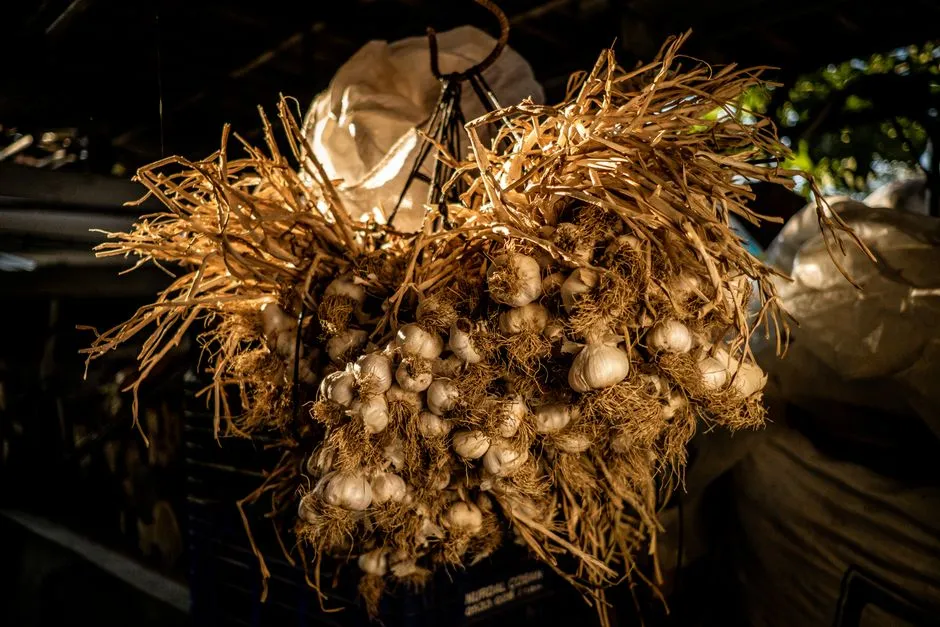
- Yes, you can freeze garlic for cooking
- Decide what should stay whole and what should freeze
- Prepare a small, clean batch
- Method 1: freeze unpeeled garlic for maximum flexibility
- Method 2: freeze chopped garlic in recipe-size portions
- Method 3: use the extension-tested garlic-and-oil freezer route
- Package garlic for the freezer it actually enters
- Cook with frozen garlic according to its form
- Troubleshoot the package, not just the clove
- Freeze the form your next dish needs
- Sources
Yes, you can freeze garlic for cooking
You can freeze garlic unpeeled, peeled and chopped, or puréed with oil under a tested extension method. Choose the format by the way you cook: loose cloves for flexible recipes, chopped portions for quick measuring, and a frozen oil purée for spooning straight into a pan. Wrap or seal it tightly, label the form and date, and expect softer texture and some flavour change after freezing.
Freezing is useful when a sound harvest will not keep until you can use it, or when peeled cloves are already committed to the kitchen. It is not an upgrade for every bulb. Whole, well-cured garlic belongs first in a cool, ventilated storage place; freeze the amount your cooking plan can genuinely use.
Decide what should stay whole and what should freeze
Begin with the bulbs. Keep firm, intact, well-cured heads in ordinary bulb storage. Our guide to curing and storing garlic covers that route. Move garlic to the freezer when:
- a bulb has been opened and there are more sound cloves than you will use soon;
- peeled cloves are left from preparation;
- you want ready-measured chopped garlic for cooked dishes;
- storage conditions are poor, but the cloves are still sound;
- the next dish does not depend on raw garlic staying crisp.
Do not freeze mouldy, slimy or decayed cloves to rescue them. The FDA's current storage guidance says mouldy food should be discarded and warns that pathogens do not always change a food's appearance, smell or taste. Freezing stops microbial growth while food stays frozen; it does not sterilise the food.
Utah State University Extension says garlic can be frozen, but notes that freezing often changes texture and can reduce flavour. It also warns that loose wrapping lets garlic odour move into other freezer foods. Plan frozen garlic for soups, sauces, braises, sautés, roasts and other cooked dishes where a softened clove is not a problem.
Prepare a small, clean batch
Separate the cloves. Discard anything with mould, wet decay or an unexplained off condition. For peeled or chopped batches, remove the papery skin and trim only the dry root end. Keep the garlic away from raw meat, poultry, seafood and their boards or utensils.
The cutting hazard is ordinary but real. Use a stable board, keep fingertips behind the blade, and stop if a clove is rolling rather than chasing it with the knife. Follow the appliance manual when using a processor or blender, and disconnect it before reaching near the blade.
Method 1: freeze unpeeled garlic for maximum flexibility
Oregon State University Extension's current preserving-garlic guide includes freezing garlic unpeeled and removing cloves as needed.
- Break sound bulbs into individual cloves without peeling them.
- Put the cloves into a freezer-rated bag or container.
- Remove excess air without crushing the cloves, then seal.
- Label it unpeeled garlic with the freezing date.
- Freeze promptly at 0°F (-18°C).
This format leaves later decisions open. Take only the number of cloves the recipe needs. Let a clove soften just enough to peel safely, or add it to a cooking method that accommodates the frozen state. Do not promise yourself you will identify an anonymous pale clove three months from now; the label is doing useful work.
Unpeeled cloves take more effort at cooking time and occupy more space than chopped garlic. They suit a cook who changes plans often and wants whole-clove options rather than preselected measures.
Method 2: freeze chopped garlic in recipe-size portions
Oregon State's guidance also supports grinding or chopping garlic, wrapping it tightly and freezing it, then grating or breaking off the amount needed.
- Peel and chop the sound cloves to the size you normally cook.
- Decide on one portion that matches your recipes, such as one teaspoon or one tablespoon.
- Either set measured portions on a lined freezer tray or spread the chopped garlic thinly in a freezer bag.
- For a flat bag, press out excess air, seal it and mark portion lines on the outside without puncturing the bag.
- If using a tray, freeze until the portions hold together, then move them promptly into a labelled freezer container or bag.
- Label the quantity per portion, form and date, and return the package to 0°F (-18°C).
The portion arithmetic should be visible. If you freeze 12 tablespoons in one-tablespoon portions, the batch contains 12 portions. If you use two portions in a sauce, record or recognise that 10 remain. A vague “cube” is not a measurement unless you measured what that mould actually holds.
Keep the final package tightly closed. Utah State's freezing basics explains that airtight, moisture-resistant packaging limits moisture loss and freezer burn. Oregon State adds the garlic-specific reason: tight wrapping prevents its strong flavour from penetrating nearby foods.
Method 3: use the extension-tested garlic-and-oil freezer route
Garlic in oil needs a separate safety boundary. Raw garlic is a low-acid food, and an oil mixture can support botulinum toxin when stored improperly. Never hold homemade untreated garlic in oil at room temperature.
Oregon State Extension gives this freezer method: peel the cloves, purée them with two parts oil to one part garlic, freeze the mixture immediately, and do not hold it at room temperature. It says the frozen purée remains soft enough to scrape out for sautéing.
- Measure the garlic and oil before blending.
- Process them according to the appliance instructions.
- Transfer the purée into a freezer-rated container, leaving practical room for closing it without smearing the seal.
- Label it garlic-oil purée—keep frozen, with the oil used and date.
- Freeze immediately.
- Scrape out only what the pan needs and return the container directly to the freezer.
Do not leave the tub beside the stove while dinner cooks. Do not treat refrigeration as long-term storage for this homemade mixture. Oregon State limits peeled garlic submerged in oil in the refrigerator to four days and directs longer storage to the freezer. If you want a shelf-stable infused oil, use a fully tested acidification method from an authoritative preservation source rather than inventing one from a freezer recipe.
Package garlic for the freezer it actually enters
The FDA says a home freezer should be kept at 0°F (-18°C). Check it with an appliance thermometer rather than trusting a dial label. Do not crowd warm packages together so tightly that cold air cannot circulate.
Give every package four pieces of information:
- form: unpeeled cloves, chopped garlic or garlic-oil purée;
- portion: teaspoons, tablespoons, cloves or a weighed amount;
- date frozen;
- added ingredient: name the oil when one is present.
Use the oldest suitable package first. FDA guidance says food handled properly and kept continuously at 0°F remains safe, while quality declines over time. That is why this guide does not attach a magic quality deadline to every home freezer. Temperature stability, packaging, initial condition and your tolerance for flavour and texture change all matter.
Cook with frozen garlic according to its form
Chopped portions and the oil purée can move from freezer to a cooking pan. Use a utensil to remove the portion and close the package before returning it to the freezer. Whole cloves may be easier to peel after a brief softening, but do not force a hard frozen clove under a knife.
Frozen garlic can release water and soften as it cooks. Add it where the dish can absorb that change. Watch the pan rather than copying a fixed browning time: a cold portion alters the pan temperature, and finely chopped garlic can scorch once the water cooks away.
For a mellow alternative already cooked, our guide to roasting garlic explains the whole-head and separate-clove methods. Cool cooked garlic promptly before freezing it in small portions, and label it as roasted so it is not confused with raw chopped garlic.
Troubleshoot the package, not just the clove
The garlic formed one solid block: the portions were not separated or the flat bag was too thick. Use the block in a recipe that needs that amount; next time freeze measured portions or a thinner sheet.
Everything nearby smells of garlic: the first wrap or closure was not tight enough. Move the frozen garlic into an intact freezer-rated package and consider a second sealed barrier.
The garlic is softer after thawing: that is an expected quality change, not proof of unsafe handling. Use it in a cooked dish where texture is secondary. Discard it if it is mouldy or otherwise suspicious; do not taste food to decide whether pathogens are present.
The package lost its label: if you cannot distinguish plain garlic from garlic mixed with an unidentified oil or another ingredient, do not guess—especially when allergies or dietary restrictions matter.
Freeze the form your next dish needs
Use unpeeled cloves when flexibility matters, chopped measured portions when speed matters, and the exact Oregon State 2:1 garlic-and-oil method only when you can freeze it immediately and keep it frozen. Start with sound garlic, close the package tightly, label it completely and keep the freezer at 0°F (-18°C).
The useful question is not simply “Can you freeze garlic?” It is “Which frozen form will I actually cook?” Answer that before chopping, and the freezer becomes a plan instead of a place where good cloves disappear behind the peas.